What to Expect in the Days After Fotona Laser Treatments
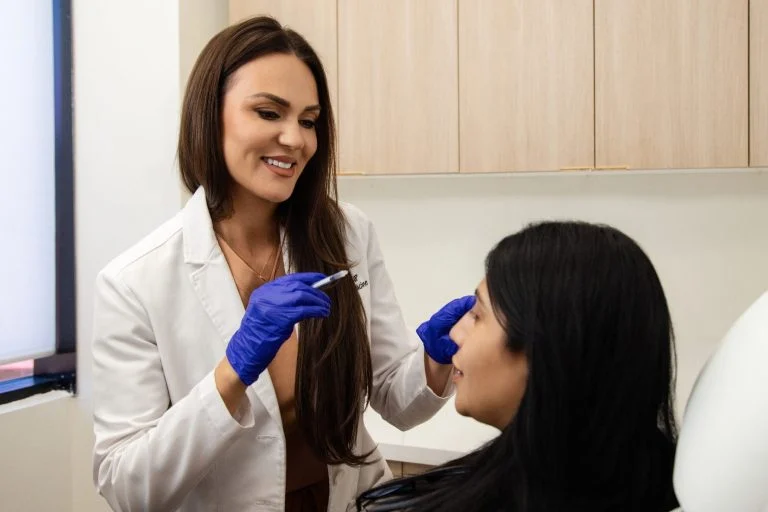
Fotona Laser Treatments cover a wider range than many patients realize. The name often gets used as if it refers to one procedure, but in practice it can mean very different things depending on the laser mode, the treatment depth, and the concern being addressed. A gentle resurfacing session for texture and glow does not produce the same recovery pattern as a more aggressive rejuvenation treatment aimed at deeper wrinkles, acne scarring, or skin tightening.
That is why the days after treatment can feel confusing if your expectations were built on someone else’s experience. One person goes back to work the next morning with a little pinkness. Another looks puffy and sunburned for several days, then starts shedding dry bronzed skin. Both may have had Fotona Laser Treatments, but not the same kind.
What follows is a practical look at the usual post-treatment course, with the caveat that your own instructions from your treating clinician always come first. Device settings matter. Skin type matters. Whether the treatment was superficial, fractional, intraoral, vaginal, or body-focused matters. Recovery is never one-size-fits-all.
The first few hours tend to be the easiest to misread
Right after treatment, most people are still running on adrenaline. The skin may feel warm, tight, and more reactive than painful. If the area was numbed beforehand, the full sensation sometimes does not set in until later that day. Patients often leave the clinic thinking, “That was not bad at all,” then text the office that evening asking whether the heat and swelling are normal.
Usually, they are.
A mild to moderate sunburn sensation is common after many Fotona Laser Treatments. The skin can look pink to bright red, depending on intensity and skin tone. Swelling often shows up most clearly around the eyes and upper cheeks because the tissue there is loose and quick to retain fluid. If the treatment included the lower face or neck, fullness can develop gradually over the first night rather than immediately in the chair.
The texture of the skin may also feel odd before it looks odd. Tightness, roughness, and a faint sandpapery feel often appear early. Some patients describe it as having sunscreen, salt, and heat trapped on the skin at the same time. That is a crude description, but not an inaccurate one.
If treatment was deeper or more ablative, pinpoint crusting or a grid-like pattern can emerge. That does not automatically mean something has gone wrong. Fractionated laser work often leaves a visible pattern as tiny treatment columns rise, dry, and flake away. The visual effect can be more dramatic on day two than on day one.
The first night calls for restraint more than heroics
Most post-laser problems in the first 24 hours come from overdoing skin care. Patients want to help the skin calm down, so they layer on active serums, ice directly on bare skin, exfoliating pads, or thick occlusive products the clinic never recommended. Freshly treated skin does not need experimentation. It needs a quiet environment.
A simple aftercare routine is usually enough:
- Cleanse gently, if your provider has said it is okay, with lukewarm water and a non-irritating cleanser.
- Use only the moisturizer or healing product your clinic recommends.
- Avoid heat exposure, vigorous exercise, and hot showers that first day if possible.
- Keep the area protected from sun, and follow your clinician’s advice on when to resume sunscreen.
- Sleep with your head slightly elevated if swelling tends to collect around your eyes or jawline.
That is less glamorous than a ten-step regimen, but far more useful.
If you are prone to swelling, the first night is often when you notice it most. A patient who looked only mildly flushed at 4 p.m. Can wake up at 6 a.m. With puffy eyelids and a heavier lower face. This is especially common after treatments around the periorbital area or any session designed to stimulate substantial dermal remodeling. It can be unsettling, though it often settles quickly over the next day or two.
Day one to day three, when the skin looks worse before it looks better
This is the phase that catches people off guard. The treatment is over, but the visible reaction is still building. Redness can deepen before it fades. Swelling can peak around the second morning. Bronzing, roughness, or micro-crusting often becomes clearer as the skin dries.
For lighter non-ablative sessions, this stage may be subtle. You may simply look flushed and feel dry. Makeup, if your clinic allows it, often goes on unevenly because the skin is textured and dehydrated. Some patients decide not to wear it because it clings to rough patches and draws more attention than bare skin.
For more intensive resurfacing or rejuvenation, day two can be the point where people ask, “Did I make a mistake scheduling this before an event?” The answer is usually no, but the timing may not have been ideal. Weddings, photo sessions, major presentations, and reunions rarely pair well with laser recovery unless the treatment was intentionally very mild.
One of the most common patterns during this period is a red-to-bronze transition. The skin starts out pink or red, then takes on a tanned, darkened, or peppered appearance as treated tissue begins to dry and lift. Patients sometimes worry the darkening means pigmentation is developing. Sometimes it does not. Often it is simply the normal turnover phase, especially in fractional work, where tiny dots or a fine grid become more obvious before they shed.
The itch factor can also surprise people. Heat gets all the attention, but itchiness tends to show up as the skin starts repairing itself. Light itch can be normal. Aggressive rubbing is not. If you scratch or pick, you increase the chances of prolonged redness, post-inflammatory pigmentation, and uneven healing.
Why different Fotona Laser Treatments heal differently
The broad label matters less than the actual protocol used. Fotona systems can be configured for very different endpoints. Some sessions focus on gentle collagen stimulation with little visible downtime. Others intentionally create more thermal effect or controlled surface injury to trigger remodeling. The face, neck, chest, hands, and body all respond differently as well.
An area with thinner skin, such as around the eyes, may swell more but crust less. The jawline may stay puffy longer. The chest often remains pink longer than the face. Hands can look older before they look better because dryness and scaling are so visible there.
Skin type also changes the recovery conversation. Deeper skin tones often require more conservative settings and more careful inflammation control, not because treatment cannot be done, but because lingering redness or pigment shifts deserve respect. Fairer skin may flush dramatically and then settle fast. Oily skin may tolerate treatment well but feel congested if heavy ointments are used. Sensitive skin may sting with products that seemed harmless before the procedure.
This is one reason experienced clinics spend time on pretreatment counseling. The laser matters, but the plan matters more.
Days four through seven, when peeling and dryness take center stage
For many patients, the heat and swelling are easing by this point, but the skin still does not look “normal.” Instead, it often enters the dry, rough, shedding stage. Fine flaking can happen after lighter treatments. More obvious exfoliation, sometimes described as coffee-ground speckling or sandpaper sloughing, may follow stronger sessions.
This stage requires patience. The skin is doing exactly what you paid it to do, turn over. Trying to speed it up with scrubs, acids, retinoids, cleansing brushes, or enthusiastic washcloth use usually backfires. I have seen patients create a second wave of irritation simply because they were tired of looking flaky on day five and tried to polish it off. They did remove the flakes. They also removed skin that was not ready to come off.
A better approach is to support the process without forcing it. Consistent moisture helps. So does leaving the skin alone.
By the end of the first week, many patients begin to notice the first encouraging signs. The roughness lessens. The color evens out. Skin can start to feel smoother when washing the face. Makeup sits a little better. The fresh surface underneath the shedding phase often looks brighter, though still slightly pink.
That pinkness can linger longer than people expect, especially after stronger treatments. The surface may be intact and makeup-ready, but there is still background vascular activity in the skin. In plain terms, you look mostly healed, but you can flush easily, and the area may still show a soft pink cast under bright light or after exercise.
The second week is often when real improvement becomes visible
This is where expectations need fine tuning. Immediate glow and longer-term collagen remodeling are not the same thing. Some benefits appear quickly, especially smoother texture and a more reflective skin surface once old damaged cells are shed. But the deeper changes that patients often want most, softer lines, improved laxity, gradual scar remodeling, happen on a slower timeline.
During week two, you may notice that people comment on your skin looking rested without being able to identify why. This is common after well-executed Fotona Laser Treatments. The improvement does not always arrive as one dramatic reveal. Sometimes it shows up as better light bounce, more even tone, and less creasing around expression areas.
If your treatment plan included a series rather than a single session, week two is also when some patients become impatient and declare the treatment “too subtle.” That can be an incomplete read. Many laser protocols are cumulative by design. A conservative first session, particularly for reactive skin or darker skin types, may be intentionally modest. It lays the groundwork without provoking unnecessary inflammation.
Social downtime and camera downtime are not the same thing
Clinics sometimes describe recovery in terms of downtime, but that word can be slippery. Medically, you may have minimal downtime because you can resume desk work quickly. Socially, you may not want to be seen at close range for several days. On camera, high-definition video and overhead office lighting can exaggerate every dry patch and every bit of residual redness.
This matters if you are planning around work. A person with a private office and no meetings may feel back to normal sooner than someone who teaches, presents, records content, or works in hospitality. If you have an event where photos matter, build in extra buffer time. Not because something will necessarily go wrong, but because being “healed enough” and being “looking polished” are different thresholds.
I usually tell patients to think in layers. Functional recovery comes first. Presentable recovery comes next. Peak cosmetic benefit comes later.
What is normal, and what deserves a call
Most of the common after-effects of Fotona Laser Treatments are uncomfortable rather than dangerous. Warmth, redness, dryness, swelling, temporary roughness, and controlled peeling are part of the expected spectrum. But there is a point where “wait and watch” should become “check in with the clinic.”
Contact your provider if you notice any of the following:
- Pain that is worsening rather than gradually easing.
- Blistering, spreading raw areas, or honey-colored crusting.
- Significant swelling that is asymmetrical or interferes with vision.
- Fever, chills, or a general sense of being unwell.
- Darkening or lightening of the skin that seems sharply demarcated and progressive.
Patients sometimes hesitate because they do not want to sound dramatic. Clinics would almost always rather hear from you early, when a problem is small, than later, when a preventable irritation has become a more stubborn complication.
Sun, heat, and friction are the usual saboteurs
If I had to pick the three factors that most often drag out recovery, they would be sun exposure, excess heat, and friction. Not exotic products, not rare allergies, just ordinary habits that do not mix well with freshly treated skin.
Sun is the obvious one. Even incidental exposure, walking the dog at noon, sitting by a bright window, driving with afternoon light on one side of the face, can prolong redness and increase the chance of post-inflammatory pigmentation in susceptible patients. That does not mean you need to live in a bunker, but it does mean post-laser skin deserves a little strategic caution.
Heat is less obvious and often overlooked. Hot yoga, saunas, steam rooms, long hot showers, intense cardio, and outdoor workouts in high temperatures can all amplify flushing and swelling. People often think of exercise as healthy and therefore https://messiahgywc403.cloudhinter.com/posts/the-most-popular-uses-of-fotona-laser-treatments-today universally good. In the immediate post-laser period, “healthy” is not the only variable. Vascular stimulation matters too.
Friction shows up in smaller ways. Towels rubbed too vigorously. Tight masks. Helmet straps. Exfoliating cleansing devices. Even repeatedly resting your hand on the treated area while working at a laptop. Freshly treated skin is more reactive than usual, and cumulative irritation counts.
Makeup, shaving, and getting back to your routine
This is one of the most practical questions patients ask, and the answer is always annoyingly specific to the treatment. Some lighter laser sessions allow mineral makeup within a day. More intensive procedures may require waiting longer. The safest move is to follow your clinic’s timing closely, because the risk is not just irritation. It is also occlusion, contamination, and poor product tolerance on skin that is still vulnerable.
When makeup is allowed, less is often more. A heavy matte foundation on peeling skin tends to spotlight texture. Tinted sunscreen or a sheer mineral formula usually behaves better than full-coverage products in the early recovery window.
Shaving deserves similar caution. Men often assume shaving the next morning is fine because the skin does not feel “injured,” only rough. But a razor across reactive skin can create a surprising amount of sting and visible irritation. If the treatment included the beard area, waiting until sensitivity decreases is usually worth it.
The same logic applies to retinoids, exfoliating acids, vitamin C serums, benzoyl peroxide, and fragranced products. Returning too soon can prolong redness by days. Returning thoughtfully usually shortens the overall path back to normal.
Results can be uneven before they become even
A patchy healing phase does not automatically predict a patchy result. This is especially true in the first week or two, when residual swelling, microscopic crusting, and variable skin turnover can create the illusion of irregular improvement. One cheek may seem smoother first. The upper lip may remain rough longer. Brown spots can look darker before lifting. Fine lines may appear more noticeable temporarily if the skin is dry.
This is why early mirror checks are often unreliable. Day-by-day scrutiny under bathroom lighting is a poor way to judge a collagen-based treatment. Better to compare standardized photos taken before treatment and a few weeks later, ideally in the same lighting and position.
Patients who understand this tend to have a much easier recovery psychologically. The process feels less like a series of alarms and more like a staged response.
A few real-world timing expectations
For a mild session, many patients are comfortable in public within one to three days, though they may remain a little pink or dry. For a moderate treatment, visible redness, swelling, and texture changes can make the first three to seven days more noticeable. For deeper resurfacing approaches, the social recovery period can be longer, sometimes extending past a week, with residual pinkness beyond that.
Those are broad ranges, not promises. The same exact protocol can heal differently in two patients because sleep, sun exposure, skin sensitivity, medications, and general health all influence inflammation. Even simple things like allergy season can make the face more reactive and puffy.
I have also seen patients who looked rough on day three and excellent on day six, and others who looked deceptively good for 48 hours before the dry shedding stage peaked later. Laser recovery is not always linear. It often improves in waves.
The best thing you can do is give the treatment room to work
There is a temptation to micromanage the outcome, especially if you invested time, money, and hope in the procedure. Yet the most successful recoveries are usually the least dramatic. The patient protects the skin, follows instructions, avoids unnecessary products, stays out of the sun, and lets the inflammatory phase settle without interference.
That sounds simple because it is simple. Not effortless, but simple.
Fotona Laser Treatments can deliver meaningful results, smoother texture, more refined tone, gradual tightening, and a fresher overall look, but the days after treatment are part of the process, not a detour from it. If you expect a short-lived period of heat, redness, swelling, and dryness, and you understand that visible improvement unfolds in stages, the experience feels much more manageable.
The skin rarely rewards impatience. It responds better to consistency, protection, and time.
OMNIA Wellness Center
Address: 16430 Ventura Blvd Ste 207, Encino, CA 91436
Phone number: +18183868511
FAQ About Fotona Laser Treatments
What is a Fotona laser good for?
A Fotona Laser system is a versatile, dual-wavelength medical laser used primarily for non-surgical skin tightening, anti-aging rejuvenation, and dermatological treatments.
How much does the Fotona laser cost?
The cost of a Fotona laser depends heavily on whether you are looking to purchase a laser machine for a medical practice or are a patient seeking a laser treatment at a medspa.
Is a Fotona laser worth it?
A Fotona laser treatment is generally worth it if you want non-surgical skin tightening, improved texture, and collagen stimulation with very little downtime.